Avenue Winston Churchill, Hippodrome, Yaoundé

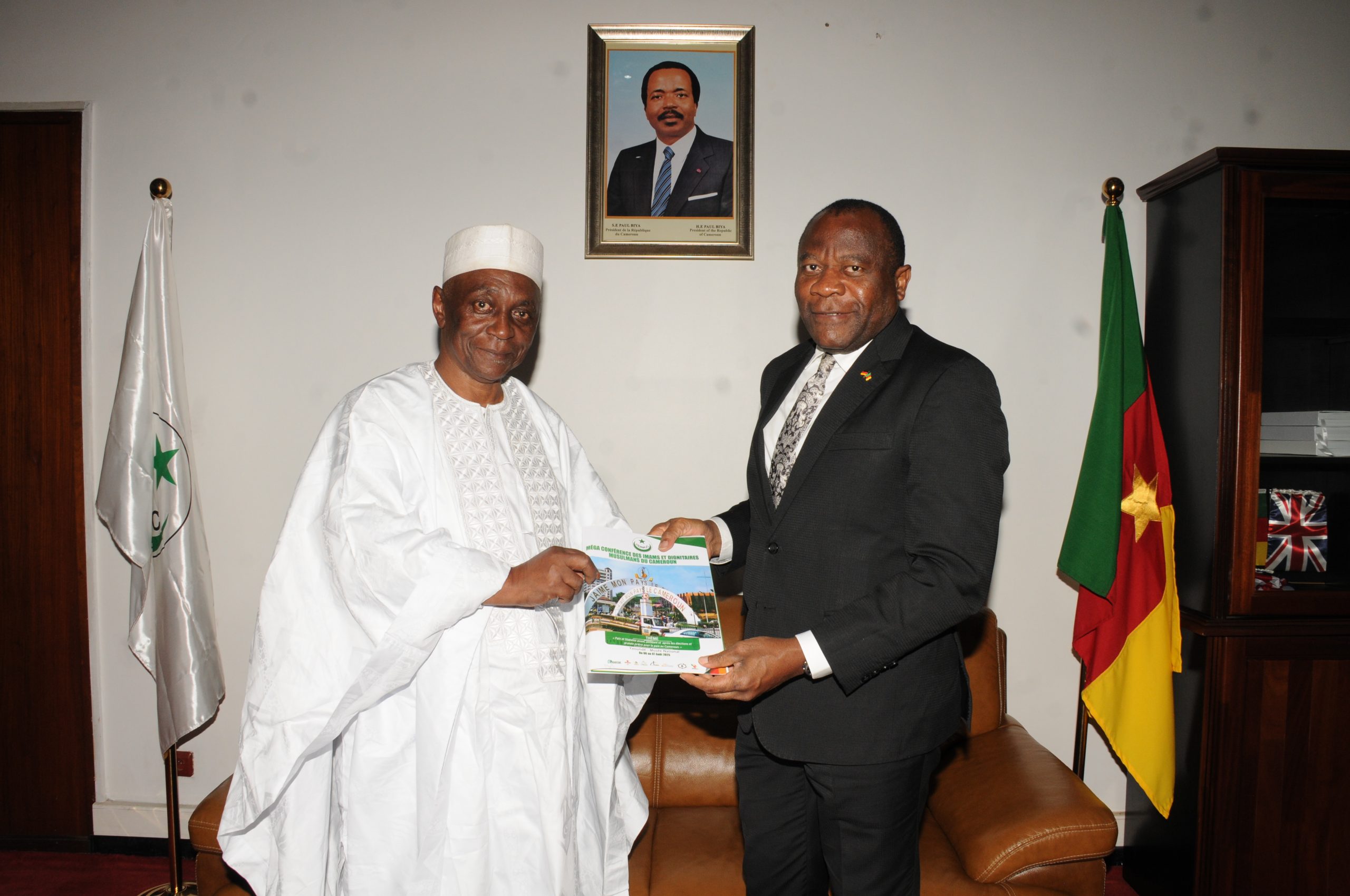
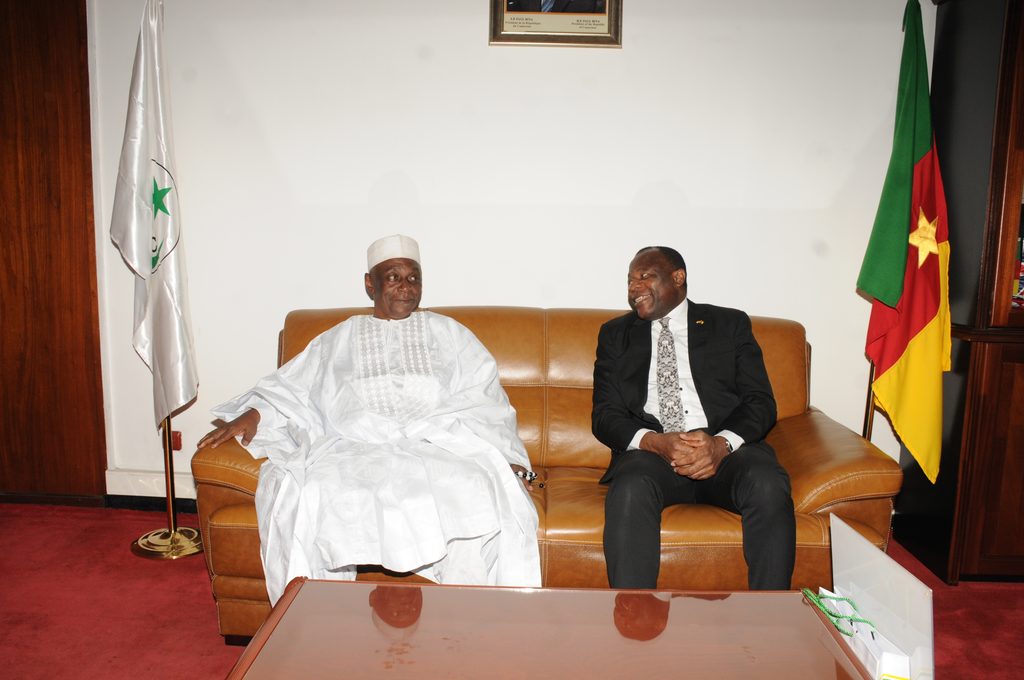
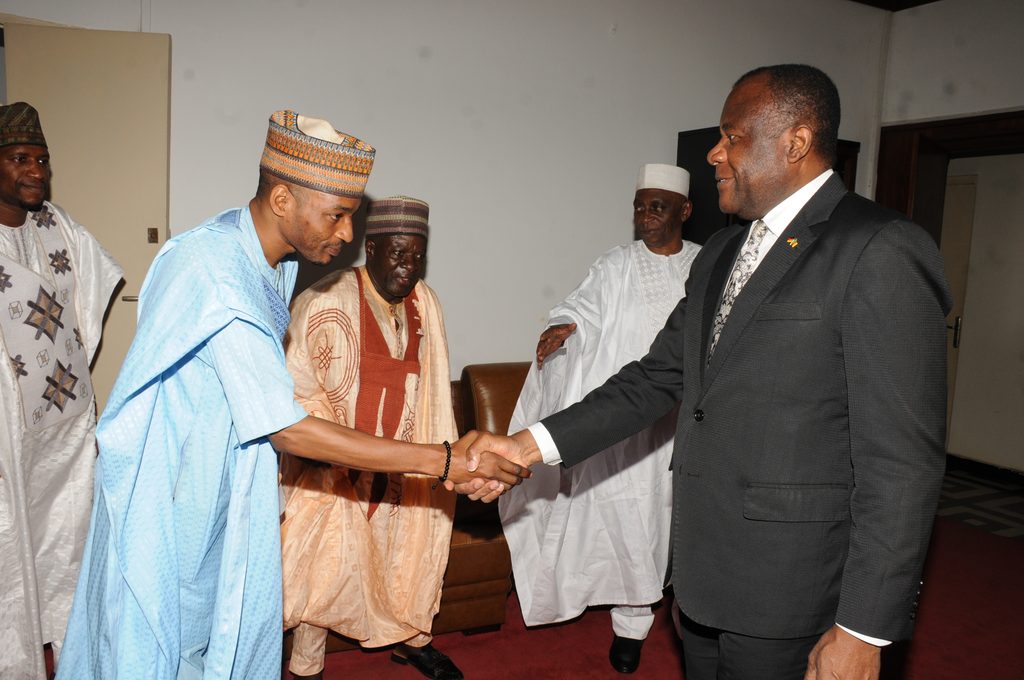
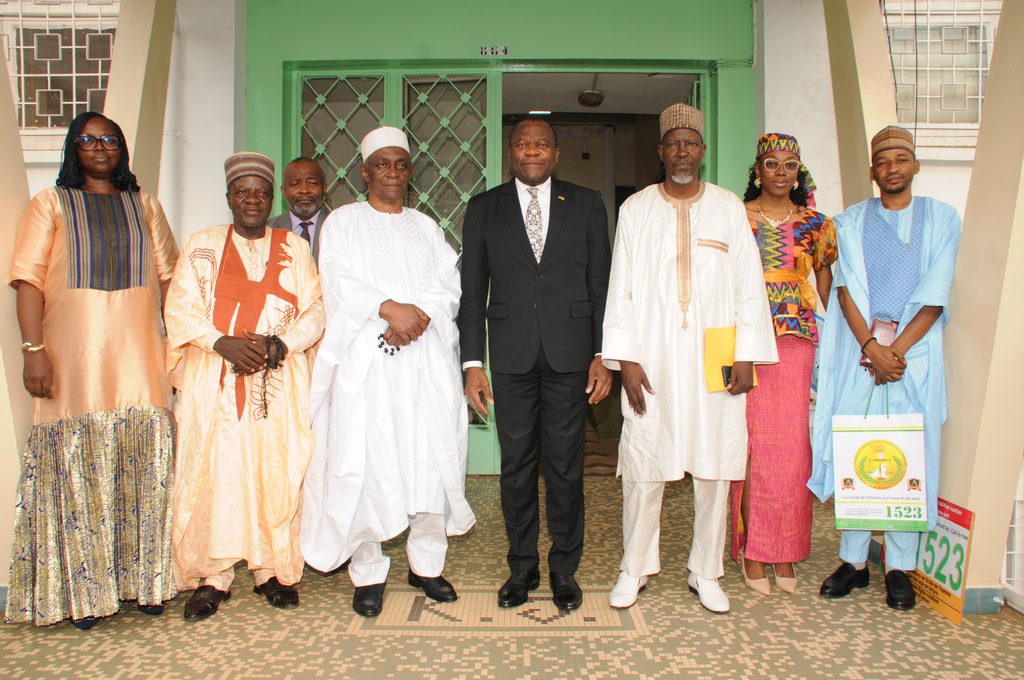
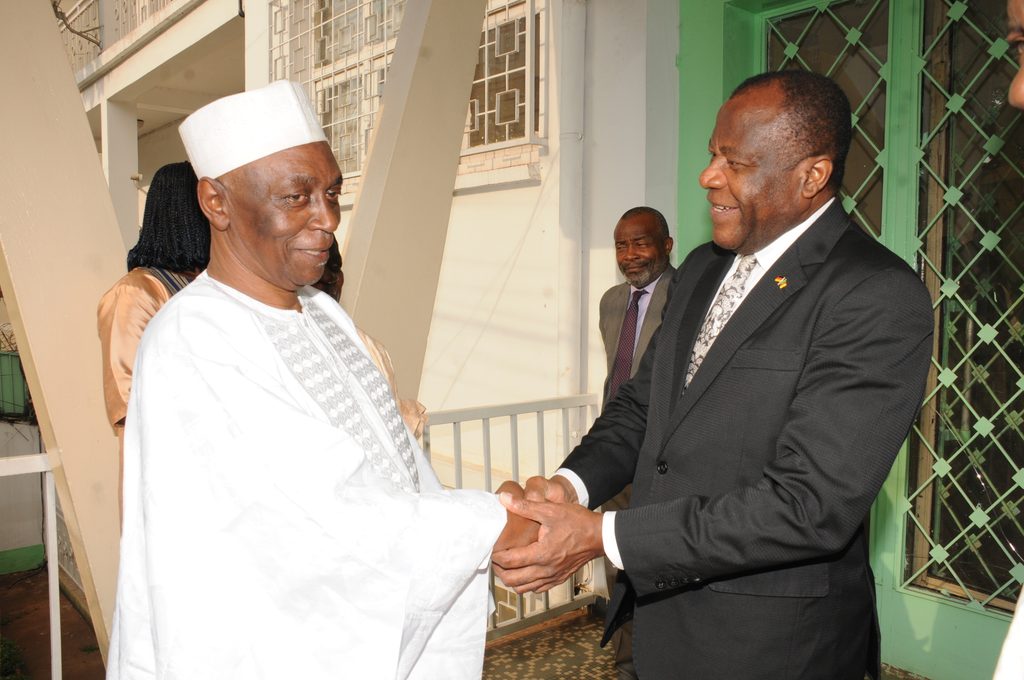
Prof James Mouangue Kobila, the Chairperson of the Cameroon Human Rights Commission (CHRC) and Chairperson of the Network of African National Human Rights Institutions (NANHRI), granted an audience, on Thursday 5 November 2026, from 3:50 p.m. to 4:20 p.m., to a delegation of the Council of Imams and Muslim Dignitaries of Cameroon (CIDIMUC), led by Dr Moussa Oumarou, its General Coordinator. The meeting was held in Yaoundé, in the CHRC Conference room and provided an opportunity for both parties to present their respective missions, discuss areas of convergence in their interventions and explore prospects for formalising their cooperation through the signing of a Memorandum of Understanding (MoU).
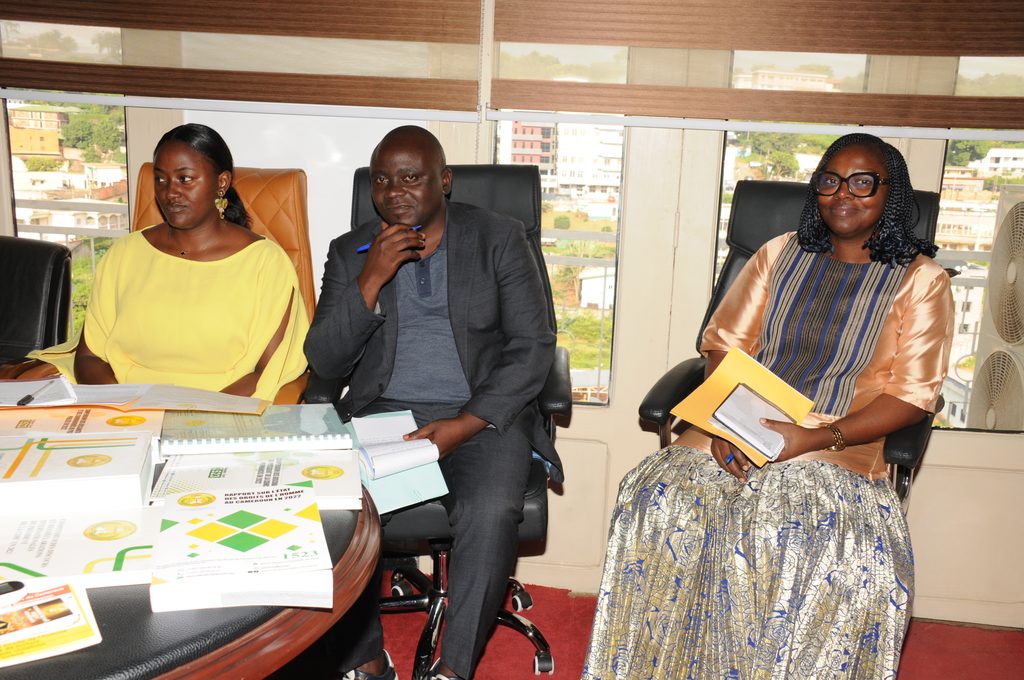
The Chairperson of the CHRC was accompanied by:
- Prof Souley Mane, Commissioner, Chairperson of the Sub-Commission on the Prevention of Torture;
- Mr Guy Armand Essery A Zom, Head of the Division for the Promotion and Protection of Human Rights;
- Mrs Christelle Béatrice Ongbassilek (Kouki), Chief of Staff of the Chairperson’s Office;
- Mr Serge Epoh Ngoume, Private Secretary to the Chairperson;
- Ms Mabel Shu Nyamboli, Acting Head of the Cooperation, Documentation and Research Service;
- Ms Atud Cynthia, Head of the Communication Unit;
- Mr Carlos Simplice Fokem, Senior Staff Member of the Communication Unit; and
- Ms Linda Augustine Laure Ndame Moundo, Head of the Promotion Unit.
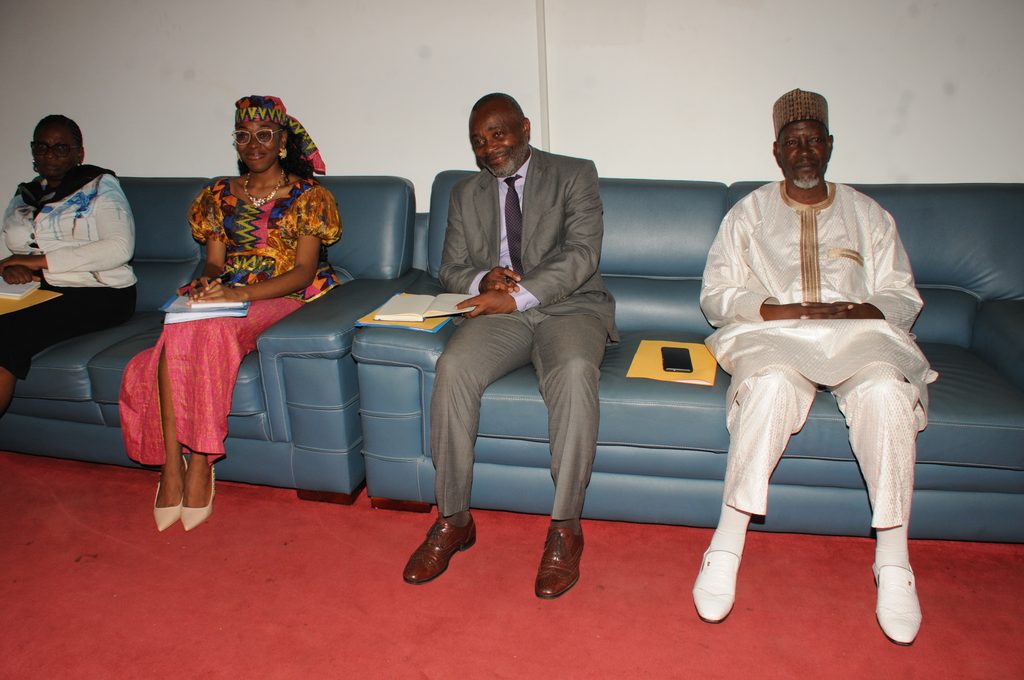
The General Coordinator of CIDIMUC was accompanied by:
- Cheikh Adamou Ngamie, Secretary General;
- Mr Mohamadou Bakodji Hamoa, Missions Officer; and
- Mr Issa Malam, Public Relations Officer.
Taking the floor, the General Coordinator of CIDIMUC expressed his gratitude to the Chairperson of the CHRC for the promptness with which his request for an audience had been handled, as well as for the warm welcome and fraternal atmosphere that characterised the meeting. He recalled that “CIDIMUC was created in 2008, in the context of the so-called hunger riots that occurred in Cameroon”, and that it is an organisation “committed to serving humanity, peace and development. Since its creation, the Council has worked to promote the values of solidarity, tolerance, dialogue and social cohesion, while contributing to improving the living conditions of communities”. Over the years, CIDIMUC has established itself as an actor in interfaith dialogue and peacebuilding by fostering exchanges among the different components of Cameroonian society. This orientation has notably been reflected in initiatives dedicated to peace, national unity and living together, as well as actions in favour of education and the empowerment of women and youths.
Highlighting some of its major activities, the General Coordinator notably mentioned the organisation of “an international conference in which Commissioner Prof Souley Mane made a particularly effective contribution”. He also presented the actions undertaken by CIDIMUC in the fight against radicalism and violence. In the same vein, he referred to the visit to the Vatican and the reception of the delegation by the Pope, including during the latter’s stay in Cameroon, when CIDIMUC was reportedly the only non-Catholic delegation received.
In view of the convergence between the missions of the two institutions, Dr Moussa Oumarou submitted to the Chairperson of the CHRC a proposal for the signing of a Memorandum of Understanding (MoU). He expressed the wish that the formalisation of their partnership could take place at the CIDIMUC headquarters, following a visit by a delegation from the CHRC. To this end, he handed the Chairperson of the Commission presentation documents on his organisation, as well as a gift which he described as “particularly special”: a ballpoint pen that had reportedly taken one week to make. According to the General Coordinator, the missions of the two institutions share fundamental similarities, insofar as their actions are not limited to any particular category of persons, but are geared towards defending humanity.
In response, the Chairperson of the CHRC thanked the delegation for this initiative aimed at making CIDIMUC better known to the Institution. Drawing on his recent reflections, he recalled that the Rights to peace and security are among the “root rights”, that is, fundamental Rights without which the exercise of several other rights becomes difficult, or even impossible. He also welcomed the fact that Commissioner “Prof Souley Mane belongs to a religious denomination committed to peace”. Prof James Mouangue Kobila further stressed his adherence to the vision of the African Commission on Human and Peoples’ Rights, according to which the promotion and protection of human rights cannot be the sole preserve of institutions, non-governmental organisations (NGOs) or civil society organisations (CSOs). They also require the effective involvement of peoples and, consequently, communities. It was in this perspective that he warmly welcomed his guests, telling them: “You are therefore more than welcome in here”.
Regarding the proposal for a Memorandum of Understanding, the Chairperson of the CHRC gave his agreement in principle by immediately instructing the Cooperation, Documentation and Research Service to work with the General Secretariat of CIDIMUC towards finalising the document. This instruction reflects the CHRC’s determination to give concrete follow-up to the proposal put forward by the delegation and to lay the foundations for a structured partnership between the two organisations.
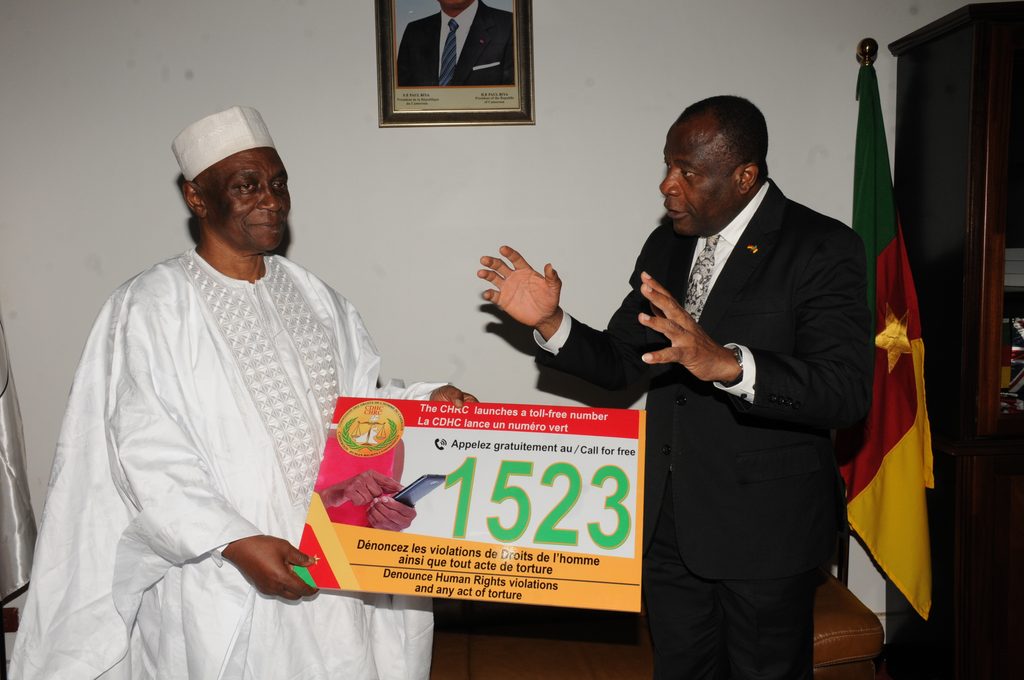
In return, the Chairperson of the CHRC presented his guest with documentation on the CHRC and its activities, as well as a display panel bearing the toll-free number 1523. This material is intended to raise awareness among CIDIMUC members and, more broadly, the communities it serves, about human rights and the mechanisms for referring cases to the CHRC in the event of violations of these rights.
This audience thus opens up prospects for cooperation between the CHRC and CIDIMUC in promoting peace, dialogue, social cohesion and the protection of human rights. It also highlights the importance of the involvement of community-based organisations and religious actors in raising public awareness and consolidating a human rights culture in Cameroon.